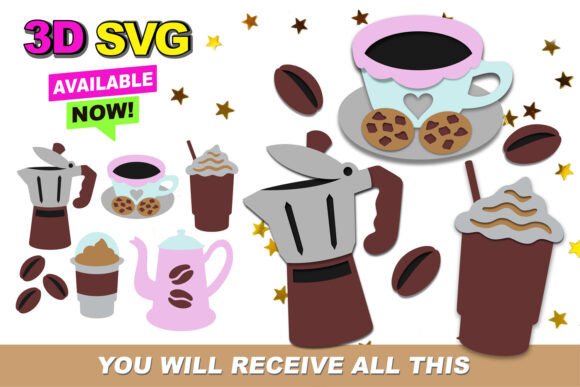
Coffee 3D SVG: A Publisher’s Review for Modern Blog Graphics
In the world of digital publishing, first impressions are everything. As a blog designer who has spent years optimizing content for readability, engagement, and conversion, I know that visual assets are not just decoration—they are functional tools that guide the reader’s eye and establish trust. Recently, I evaluated a Coffee 3D SVG asset to determine its viability for real-world editorial use, affiliate marketing campaigns, and high-traffic content websites. What follows is a detailed breakdown of how this design element performs in a professional publishing workflow.
The First Impression: Editorial Mood and Visual Hierarchy
When you drop a Coffee 3D SVG into your design workspace, the immediate takeaway is its polished, tactile quality. Unlike flat vector illustrations that can sometimes feel sterile or generic, this 3D-style graphic brings a sense of depth and warmth to the page. For a lifestyle blogger, coffee shop owner, or culinary educator, this asset creates an inviting, cozy atmosphere that resonates with readers seeking comfort or inspiration.
The visual hierarchy established by this graphic is strong. The shading and dimensionality allow it to stand out against clean backgrounds without requiring heavy text overlays. This is crucial for blog graphics where the goal is to capture attention quickly. Whether you are designing a featured image for a recipe post or a banner for a morning routine newsletter, the Coffee 3D SVG acts as a natural focal point. It feels modern yet approachable, striking a balance between artistic flair and professional cleanliness. This makes it particularly effective for niches like home decor, wellness, productivity, and food blogging, where aesthetics play a significant role in user retention.
Real-World Publishing Applications
One of the most valuable aspects of using a dedicated graphic design asset like this is its versatility across multiple platforms. In my testing, I found that the Coffee 3D SVG integrates seamlessly into various stages of the content creation process:
- Pinterest Pins: The vertical format of Pinterest demands bold visuals. This 3D element provides the necessary contrast to stop the scroll, especially when paired with clean, sans-serif typography for headlines.
- Blog Featured Images: Using the SVG as a central element in hero images helps establish a consistent brand identity. It adds a layer of sophistication that static stock photos often lack.
- Digital Guides and Lead Magnets: For creating digital guides, worksheets, or eBook covers, this asset adds perceived value. A professionally designed cover with a high-quality 3D element signals to the reader that the content inside is well-crafted and trustworthy.
- Newsletter Headers: Email marketing relies heavily on visual breaks. A subtle Coffee 3D SVG used in the header or sidebar of a newsletter can reinforce the theme without cluttering the reading experience.
- Social Media Graphics: From Instagram posts to Facebook ads, this asset supports social media graphics that need to look cohesive across different screen sizes.
Furthermore, because it is a vector file, it scales perfectly for large-format uses such as website headers or printed media kits. This flexibility is essential for content marketing strategies that require a unified visual language across all touchpoints.
Performance and Brand Identity Benefits
Investing in high-quality design assets directly impacts content performance. By incorporating the Coffee 3D SVG into your visual system, you achieve several key benefits:
- Stronger First Impressions: Readers subconsciously judge the quality of your content based on its visual presentation. A polished 3D graphic suggests professionalism and attention to detail.
- Better Click-Through Potential: In crowded feeds, distinctive visuals win clicks. The unique texture of a 3D render stands out more than standard clip art.
- Improved Reader Trust: Consistent, high-end visuals build authority. When your brand identity looks refined, readers are more likely to trust your recommendations, which is vital for affiliate marketing and monetized sites.
- Category Recognition: Over time, associating this specific aesthetic with your brand helps create instant recognition. Readers will begin to associate the warm, 3D coffee imagery with your unique voice.
Where to Use (and Where to Be Cautious)
While the Coffee 3D SVG is highly versatile, strategic placement is key to maintaining editorial integrity. It works best in areas where visual impact is prioritized over dense information:
- Hero sections and website headers
- Pinterest pins and social media previews
- Editorial accents within long-form articles
- Downloadable resources and printables
However, there are contexts where caution is advised. Avoid using this asset in small mobile thumbnails where the 3D details may become indistinct or blurry. Additionally, be mindful of text-heavy blog images; the complexity of a 3D render can compete with important copy if not balanced correctly. It may also clash with serious professional niches or corporate environments that demand a strictly minimal, monochromatic visual system. In these cases, a flatter, more abstract representation might be more appropriate.
Practical Publisher Notes for Implementation
To get the most out of this creative design element, I recommend following a rigorous testing protocol before deploying it across your site:
Screen Testing: Always preview the asset on both desktop and mobile screens. A graphic that looks impressive on a wide monitor may lose its impact on a narrow smartphone display. Check how it renders as a thumbnail in search results or social feeds.
Typography Pairing: Experiment with font pairings to ensure harmony. The Coffee 3D SVG pairs beautifully with elegant serif fonts for a classic look, or clean sans-serif fonts for a modern aesthetic. Test it alongside script or handwritten fonts if you are aiming for a more personal, boutique feel. Ensure the headline text remains readable against the background elements of the SVG.
Contrast and Readability: Verify that the asset maintains sufficient contrast against your background colors. If your site uses dark mode, test the SVG to ensure the highlights do not get lost. Running a black-and-white preview can help you assess the structural integrity of the design independent of color.
File Optimization: Even though it is an SVG, ensure your implementation does not bloat page load times. While SVGs are generally lightweight, complex paths can sometimes impact rendering speed. Compress any raster images accompanying the SVG and confirm that your hosting environment handles vector files efficiently.
Licensing Compliance: Before using this asset on monetized websites, affiliate pages, or paid digital products, carefully review the commercial license. Most marketplaces offer a commercial license that allows use in end-products sold to clients, but restrictions may apply regarding resale of the raw file itself. Always err on the side of caution to protect your business from legal issues.
Final Thoughts for Digital Publishers
The Coffee 3D SVG is more than just a decorative shape; it is a tool for enhancing editorial design and strengthening your visual identity. Its ease of use—often coming in easily accessible, zipped folders compatible with software like Silhouette Studio and Cricut Design Space—makes it a practical choice for creators who need efficiency without sacrificing quality. Whether you are updating your Canva templates, refreshing your affiliate content visuals, or designing a new lead magnet, this asset offers the polish needed to elevate your content. For bloggers and publishers looking to boost engagement through superior web design and thoughtful creative marketplace selections, this 3D element is a worthy addition to your toolkit.