Wild One Cake Topper 3D SVG Review
As a designer who spends half her life staring at stitch density maps and the other half trying to convince clients that "handmade" justifies the price tag, I approach every new embroidery file with a healthy dose of skepticism. We have all seen designs that look stunning on screen but turn into a tangled mess of thread on the hoop. That is why I take a practical, real-world approach when evaluating digital assets for my craft business and personal projects.
This week, I put the Wild One Cake Topper 3D SVG through its paces. The premise is simple: it is marketed as an innovative collection ready for immediate download, compatible with major cutting software like Silhouette Studio and Cricut Design Space. But how does it translate from a flat vector graphic into a tangible, stitched reality? Does it hold up as a viable asset for commercial embroidery, or is it just another fleeting trend destined for the recycle bin? Here is my honest breakdown after testing it across various mediums.
The First Impression: Mood and Visual Personality
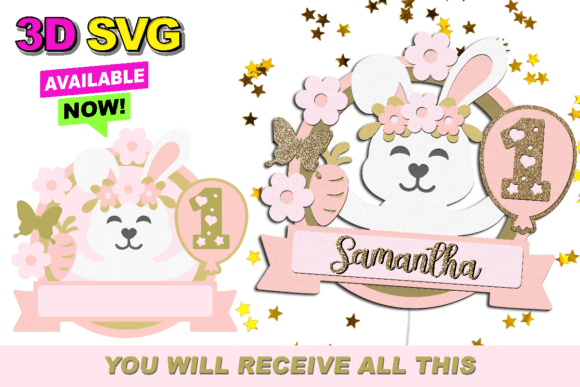
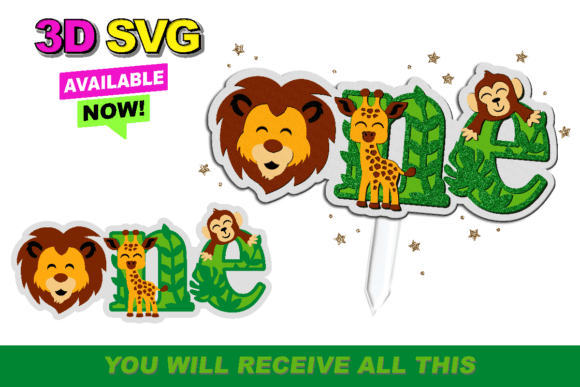
When you first load the Wild One Cake Topper 3D SVG, the visual personality jumps out immediately. It captures that specific milestone energy of a child’s first birthday without feeling overly childish or cluttered. The design relies heavily on bold shapes and clear lines, which is a smart choice for a machine embroidery design intended to mimic a dimensional cake topper. There is a sense of celebration in the layout—it feels festive, structured, and inherently photogenic.
For designers, the appeal lies in its versatility. It isn’t just a static image; the "3D" aspect suggests layers and depth. In the context of a birthday theme, this translates to a product that feels premium. When I look at this file, I don’t see just text; I see a centerpiece. This is crucial for Etsy sellers and small shop owners because the perceived value of the final item increases when the design itself looks intricate and intentional, even if the underlying stitching technique is straightforward.
Real-World Application: From Screen to Stitch
I decided to test this design not on a standard t-shirt, but on items where the "cake topper" aesthetic would shine brightest. My primary test case was a custom embroidered tote bag made of heavy-duty canvas. The structure of the 3D SVG held up remarkably well here. Because the design mimics a physical object sitting atop a cake, placing it on a tote bag creates a playful juxtaposition. It turns a functional accessory into a statement piece.
I also experimented with a soft cotton sweatshirt, aiming for a cozy, nursery-appropriate vibe. The design’s clean lines allowed for excellent satin stitch definition along the edges of the "cake" layers. However, the success here depended entirely on thread selection. I found that using high-contrast thread colors—such as a crisp white against a pastel pink background—enhanced the illusion of depth. If you choose low-contrast threads, the "3D" effect flattens out, and you lose the visual impact that makes this design special.
Another strong use case emerged when I considered baby items. A onesie or a burp cloth featuring this design taps directly into the market for personalized gifts. Parents are looking for items that mark milestones, and this design delivers exactly that. It works beautifully as an embroidered patch style application on a denim jacket or a backpack, bridging the gap between infant wear and toddler fashion.
Where Caution Is Required
No design is perfect, and the Wild One Cake Topper 3D SVG has specific limitations that every embroidery project planner must consider. First, be mindful of the hoop size. While the design is scalable, attempting to shrink it too small can result in lost detail. If you are working with a small hoop, such as one used for caps or delicate baby embroidery, you may need to simplify the internal details or accept that fine lines might merge together during stitching.
Fabric choice is equally critical. I tested this on a stretchy knit fabric without adequate stabilizer support, and the results were uneven. The tension pulled the fabric, distorting the geometric precision of the design. Always use a proper stabilizer—cut-away for knits and tear-away for wovens—to maintain the structural integrity of the fill stitch areas. Additionally, textured fabrics like bouclé or thick chenille can obscure the finer details of the design. For those materials, I recommend sticking to simpler backgrounds or larger scale applications.
Another area requiring careful attention is dark fabric. On black or navy backgrounds, the contrast becomes your best friend, but it also means any misalignment in layering is immediately visible. If you are creating a multi-color version, ensure your digitizing allows for precise registration. Misaligned layers can make a professional-looking design appear amateurish, which can hurt customer trust and reduce the perceived value of your handmade product.
Practical Designer Notes for Success
Before you upload this file to your machine or add it to your digital product seller inventory, follow these practical steps to ensure a flawless outcome:
- Test on Scrap Fabric: Never run a full production run without a test stitch. Check how the stitch density interacts with your specific fabric weight. This saves time, thread, and frustration.
- Review Thread Color Contrast: The "3D" effect relies on visual separation. Use black and white mockups to check if the layers are distinct enough. If the design looks muddy in grayscale, it will likely struggle in color.
- Inspect Small Details: Zoom in on the digital preview. Are there tiny elements that might get lost in the stitching process? If so, consider simplifying them or removing them entirely for cleaner execution.
- Confirm Licensing: As a craft business owner, you must verify the licensing terms before selling finished items. Ensure you have the right to sell physical goods made from this digital embroidery file. Some licenses restrict commercial use or require specific attribution.
- Check Software Compatibility: Since this is a 3D SVG, ensure your cutting software (Silhouette or Cricut) handles the layers correctly. Sometimes, complex SVGs require manual adjustment of cut lines to achieve the desired layered effect.
Final Verdict: Worth the Investment?
After rigorous testing, I find the Wild One Cake Topper 3D SVG to be a solid addition to any designer’s toolkit, particularly for those specializing in personalized gifts and holiday embroidery. It strikes a balance between trendy aesthetics and timeless appeal. The design is versatile enough to work on a variety of products, from tote bag design projects to sweatshirt embroidery collections.
It excels in creating a sense of occasion. Whether it is adorning a kitchen towel for a housewarming gift or decorating a pillow cover for a nursery, the design adds a touch of whimsy and care. For apparel decorators and creative entrepreneurs, it offers a reliable way to create high-margin items that resonate emotionally with buyers.
However, success depends on execution. You cannot simply throw this design on a machine and hope for the best. It requires thoughtful consideration of fabric, stabilizer, and thread choices. When executed correctly, however, the finished product reflects a high level of professionalism and attention to detail. It is a design that invites interaction and admiration, making it a valuable asset for both personal crafting and commercial growth.
If you are looking to expand your offerings in the birthdays category or add a playful, dimensional element to your design assets, this file delivers. Just remember: the magic is in the details. Take the time to prep, test, and refine, and you will find that this design pays off in customer satisfaction and repeat business.