Spring Field 3D Layered Paper Cut Review
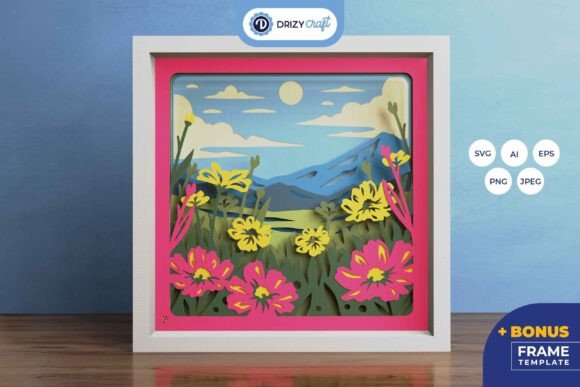
As a designer who spends half the day judging stitch density and the other half worrying about how a design translates from screen to fabric, I approach every new file with a mix of optimism and skepticism. When Spring Field 3D Layered Paper Cut landed in my inbox, I didn’t just see another floral motif. I saw a potential centerpiece for a spring collection, a high-end personalized gift, or perhaps a standout item on an Etsy shop front. The description promises a layered, square paper-cutting template that mimics a shadow box effect, and after spending some time analyzing its structure and visual personality, I have some practical thoughts on where it fits—and where it might struggle—in real-world embroidery projects.
First Impressions: The Mood and Visual Personality
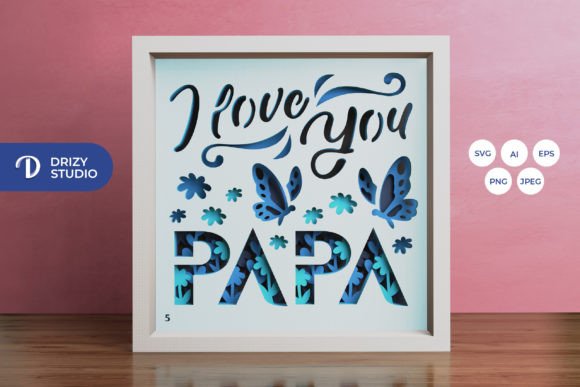
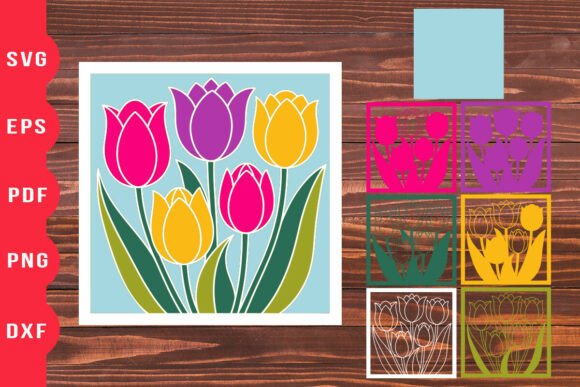
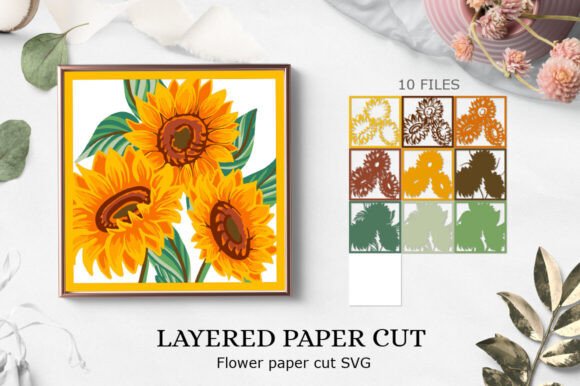
The immediate appeal of this machine embroidery design lies in its aesthetic promise. It isn’t just a flat flower; it is built to create depth. For those familiar with Shadow Boxes, you know that the magic is in the layering. This 3D SVG concept suggests a multi-dimensional look that can elevate a simple embroidery project into something tactile and premium. The mood is fresh, airy, and distinctly seasonal. It feels like late April morning light—soft but vibrant.
From a layout perspective, the square format offers stability. It works beautifully as a central focal point on a garment or accessory. However, the "paper cut" style implies sharp edges and distinct separation between layers. In embroidery, this means we are likely looking at a combination of precise satin stitch outlines and potentially open areas that rely on the fabric background to complete the image. This is a crucial distinction. If you are expecting dense, heavy coverage, this design will surprise you by being lighter and more breathable. That is not a flaw; it is a stylistic choice that suits specific types of products better than others.
Real-World Application: Where Does It Shine?
I often think about designs in terms of their end use. So, let’s imagine we are preparing a batch of custom goods. Here is how Spring Field 3D Layered Paper Cut performs in various scenarios:
- Custom Apparel and Sweatshirts: Imagine this embroidered on the chest of a heavyweight cotton sweatshirt. The layered effect would pop against the texture of the fleece. Because the design has a defined square shape, it anchors well on the left chest without overwhelming the wearer. It gives off a boutique, curated vibe that appeals to customers looking for something more artistic than a standard logo.
- Tote Bag Design: Canvas totes are a staple for any craft business. A large-scale version of this design could serve as a stunning main graphic on a canvas tote. The contrast between the crisp thread lines and the rough canvas texture would enhance the "handmade" feel. It turns a utilitarian item into a fashion statement.
- Baby Embroidery and Nursery Decor: The soft, floral theme makes this ideal for baby clothes, burp cloths, or nursery wall art. When stitched onto white or cream muslin, the thread colors can be kept pastel to maintain a gentle aesthetic. Parents love items that look delicate yet durable, and the layered look adds a sense of value that justifies a higher price point for personalized gifts.
- Embroidered Patches: If the design allows for a clean border, it could easily be digitized as a patch. The square nature makes it easy to trim and finish. These patches can be ironed or sewn onto denim jackets, caps, or backpacks, extending the life of the design beyond its original intended surface.
Technical Considerations and Fabric Choices
Not every fabric plays nice with every design, and understanding the limitations of Spring Field 3D Layered Paper Cut is key to avoiding customer returns. Because this design relies on negative space and layering to create its 3D illusion, the background fabric becomes part of the artwork.
Fabric Texture: This design demands a smooth surface. Avoid heavily textured fabrics like chunky wools, bouclé, or thick terry cloth. The needle needs to penetrate cleanly to form tight satin stitch edges; otherwise, the details will get lost in the weave. Lightly textured linens or fine cottons work best, allowing the "paper cut" precision to remain visible.
Stabilizer Strategy: To achieve that crisp, shadow-box look, you cannot skimp on support. A cut-away stabilizer is non-negotiable here, especially if you are working on garments that will undergo frequent washing. Hoop tension must be even to prevent the layers from shifting relative to each other. If the layers shift, the 3D effect collapses into a messy tangle of thread.
Hoop Size Constraints: While the design is described as square, always verify the maximum dimensions before placing it on smaller items. Trying to force a large layered design into a small hoop size often results in compromised detail. Small flowers lose their definition, and the overall composition can look cramped. Test the hoop size compatibility early in your production process.
Where to Exercise Caution
There are specific situations where this design might not deliver the desired impact:
- Dense Stitch Areas: If the digitization includes too much fill stitch within the small layers, the fabric may pucker. Keep an eye on the stitch density. If the design looks heavy on the screen, test it on scrap fabric first to ensure the final product remains flat and professional.
- Stretchy Fabrics: Unless you are using a strong tear-away or sticky-back stabilizer, stitching this on stretchy knits can lead to distortion. The layered effect requires stability to maintain its geometric integrity.
- Dark Fabrics: While possible, achieving the right contrast on dark backgrounds can be tricky. You may need to add a backing layer or choose specific thread colors that stand out sharply against the base material. Otherwise, the subtle shadows of the paper-cut style might disappear.
- Curved Surfaces: Applying this to caps or curved hat fronts requires careful placement. The square shape might look awkward if it doesn't align perfectly with the curve of the brim or crown. Plan your positioning meticulously.
Designer’s Checklist for Success
Before committing to a full production run or listing this as a digital asset, I recommend running through this quick checklist:
- Test on Scrap: Always stitch a sample on the exact fabric you plan to use. Check how the threads interact with the weave.
- Check Contrast: View your design in black and white mockups to ensure the layers have enough visual separation.
- Inspect Details: Zoom in on the smallest elements. Are they too tiny to stitch clearly? Will they fray over time?
- Verify Licensing: If you are an Etsy seller or running a small shop product line, confirm whether the license covers commercial use of finished goods. Some files are personal-use only.
- Thread Selection: Choose high-quality polyester threads. They hold their sheen and color better than rayon or cotton, which helps maintain the premium look of the layered effect.
Final Verdict
Spring Field 3D Layered Paper Cut is a versatile and visually striking option for designers looking to add depth and sophistication to their portfolio. It bridges the gap between traditional floral motifs and modern, dimensional aesthetics. Whether you are creating a holiday embroidery piece, a wedding gift, or a trendy tote bag design, this file offers a strong foundation.
Its success depends largely on execution. With the right fabric, proper stabilization, and thoughtful thread choices, it can transform a standard embroidery file into a standout finished product that customers are proud to display. Just remember: the devil is in the details, and in layered designs, those details make all the difference.