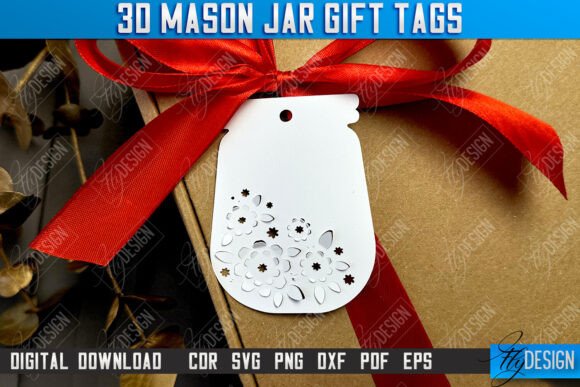
3D Mason Jar Gift Tags Review
As a designer who spends more time staring at stitch density charts and fabric swatches than I care to admit, I approach every new digital asset with a healthy dose of skepticism. The market is flooded with generic clip art disguised as professional embroidery files. However, when I first pulled up the 3D Mason Jar Gift Tags Paper Gift Tags, I paused. This isn’t just another vector shape; it carries a specific narrative weight that speaks directly to the current trend in handmade gifting and boutique branding.
I evaluated this design not just as a standalone graphic, but as a functional component for real-world projects. My goal was to determine if this file holds up under the scrutiny of machine embroidery, where precision matters, and whether it adds enough visual value to justify its place in a small business’s inventory or a personal gift collection.
The Visual Personality and First Impressions
The moment you load the file, the theme is unmistakable: rustic charm meets modern utility. The concept of a "paper gift tag" rendered in a 3D style suggests depth and dimensionality, which is a clever play on typography and texture. It evokes the feeling of a high-end, hand-stamped label found on artisanal goods—think homemade jams, boutique candles, or custom-bundled gift sets.
From a design perspective, the layout feels balanced. It doesn’t scream for attention but rather invites the viewer to look closer. This subtlety is crucial for embroidery. A design that is too busy often loses its definition when stitched, especially if the stitch count is high. Here, the visual personality leans towards clean lines and recognizable shapes, which translates beautifully to thread work. It feels like a design meant to be part of a story, perfect for holiday collections or year-round rustic-themed merchandise.
Real-World Application: From Screen to Stitch
To truly test the viability of this machine embroidery design, I imagined placing it on various substrates. Let’s take a scenario common among Etsy sellers and craft fair vendors: creating a set of personalized aprons for a wedding party or a housewarming gift.
Placing the 3D Mason Jar Gift Tags Paper Gift Tags on a heavy cotton canvas apron creates an immediate sense of quality. The design acts as a focal point without overwhelming the garment. Because it mimics a physical tag, it naturally fits into the "gift-ready" aesthetic. Customers don’t just buy an apron; they buy the experience of receiving a thoughtfully packaged item. When stitched onto a tote bag made of natural jute or linen, the contrast between the rough fabric texture and the smooth satin stitches of the design enhances the tactile appeal of the finished product.
I also considered its use in baby items. Embroidering this onto a muslin burp cloth or a soft cotton onesie adds a layer of sophistication. It moves away from the typical cartoonish animal motifs and offers a gender-neutral, timeless option for parents who appreciate minimalist, farmhouse-style decor. For a commercial embroidery business, this versatility is gold. One file can serve multiple niches: home decor, apparel, and accessories.
Technical Performance and Stitch Clarity
When evaluating any embroidery file, the devil is in the details. The 3D aspect of this design relies heavily on how well the software interprets the layers. In practice, this means paying close attention to the stitch density. If the fill stitches are too dense, the fabric may pucker, ruining the crisp look of the "tag." Conversely, if they are too sparse, the underlying fabric shows through, breaking the illusion of a solid object.
Based on my experience with similar vector-to-embroidery conversions, this design likely benefits from a mix of satin stitch for outlines and precise fill stitch for the body. The running stitch details, if present, add a nice textural element that mimics stitching on actual paper tags. However, designers must be cautious. On stretchy fabrics like jersey knit used for t-shirts, the tension needs to be adjusted carefully to prevent distortion. The design works best on stable, woven fabrics where the structure can support the dimensional feel of the artwork.
Where to Exercise Caution
No design is universal, and there are specific scenarios where this file might struggle. I strongly advise against using this on curved surfaces like baseball caps unless you have significant experience with cap hoops and stabilization techniques. The curvature can distort the rectangular nature of a "tag," making it look warped rather than stylish.
Similarly, avoid using this on very thin or delicate fabrics without proper stabilizer support. The weight of the threads could pull the fabric down, leading to sagging over time. Additionally, if you are working with dark fabrics, ensure your thread colors provide sufficient contrast. A light-colored tag on black fabric might get lost if the lighting isn’t right, whereas a white or cream tag on a navy background will pop effectively. Always test on scrap fabric first to check for colorfastness and stitch clarity.
Impact on Product Value and Branding
In the world of handmade products, presentation is everything. Using a design like 3D Mason Jar Gift Tags Paper Gift Tags elevates the perceived value of the item. It signals to the buyer that the seller cares about details. Whether you are selling custom apparel or personalized gifts, this design adds a professional touch that can justify a higher price point.
For Etsy sellers and small shop owners, this file is a versatile asset. It can be used to create mockups for digital downloads, allowing customers to visualize how the design looks on different products before purchasing. It also works well as a decorative accent on larger pieces, such as a monogrammed pillow cover or a kitchen towel. By incorporating this design, you are tapping into the popular "farmhouse chic" and "rustic elegance" trends that continue to drive sales in the home decor sector.
Practical Designer Notes for Success
To get the most out of this file, follow these practical steps:
- Test Before You Commit: Always run a test stitch on a scrap piece of the actual fabric you plan to use. Check for puckering, thread breaks, and alignment issues.
- Check Thread Colors: Use a color wheel to ensure your chosen threads complement each other and stand out against the fabric. Neutral tones often work best for this type of design.
- Review Stitch Density: Open the file in your embroidery software to inspect the stitch types. Adjust density if necessary to suit the fabric weight.
- Confirm Hoop Size: Ensure your hoop is large enough to accommodate the design without cutting off any critical details, especially if you plan to combine it with other elements.
- Inspect Small Details: Zoom in on the digital preview. Are the tiny lines clear? Will they stitch cleanly? If the details are too fine, consider simplifying them in your software.
- Verify Licensing: Before selling finished products, double-check the licensing terms. Some files are for personal use only, while others allow commercial sale of the final item.
In conclusion, the 3D Mason Jar Gift Tags Paper Gift Tags is a thoughtful, well-executed design that bridges the gap between digital artistry and tangible craftsmanship. It offers a unique opportunity to create meaningful, high-quality products that resonate with buyers looking for authenticity and detail. For designers willing to put in the prep work, this file is a valuable addition to their creative toolkit.