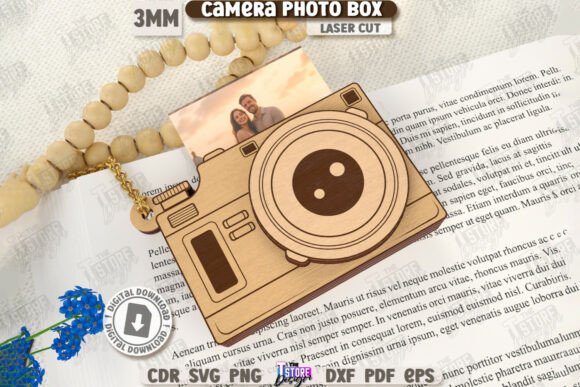
3D Camera Shaped Photo Box Laser Cut CNC
When I evaluate a new digital asset for my online shop, I am always looking for that specific intersection of aesthetic appeal and commercial viability. Recently, I came across a design labeled as a 3D Camera Shaped Photo Box, which immediately caught my eye not just for its novelty, but for its potential as a versatile graphic design asset. This is not merely a static image; it is a layered construction meant for physical assembly via laser cutting or CNC routing. For creators in the print-on-demand space, Etsy product sellers, and those building a brand around handmade aesthetics, this file offers a unique opportunity to bridge the gap between digital downloads and tangible merchandise.
First Impressions and Niche Appeal
The visual personality of this asset strikes me as playful yet structured. It taps into the enduring nostalgia of photography while offering a modern, geometric twist through its layered 3D construction. The mood is celebratory and personal, making it highly suitable for audiences who value sentimental gifts. Whether you are targeting photographers, parents documenting milestones, or craft enthusiasts who love intricate builds, this design has broad appeal. It feels premium because of its implied complexity—a simple flat graphic does not convey the same perceived value as a multi-layered box structure.
From a business standpoint, the "camera" motif is evergreen. Unlike trend-based designs that fade in months, cameras represent memory-keeping, a timeless theme. This makes the asset a safe bet for long-term inventory. It fits well within categories such as home decor, gift ideas, and craft supplies. The layered nature suggests depth and dimension, which translates beautifully into marketing visuals where you want to stop the scroll on social media platforms.
Product Applications Beyond the Physical Box
While the primary intent of this file is for laser-cutting machines, a savvy digital creator sees multiple avenues for monetization. You are not limited to selling the raw SVG or DXF file alone. Here is how I would test this asset across various product lines before publishing a listing:
- SVG Design and Cricut Project Files: The most direct application is selling the cut files themselves. Ensure your layers are named correctly so users can easily separate the front, back, sides, and interior details. This is crucial for Cricut project success.
- Printable Wall Art and Nursery Prints: If you flatten the design, it becomes a striking piece of wall art. You can offer this as a printable design for instant download, targeting customers who want the aesthetic without the assembly effort.
- Sticker Design and Planner Stickers: By isolating specific elements—such as the lens or the flash—you can create a bundle of sticker design assets for digital planners or physical vinyl stickers.
- Mug Design and T-Shirt Graphics: The camera shape is iconic. Simplifying the line art allows it to work well on apparel. A mug design featuring this camera box could be a perfect gift for photography teachers or hobbyists.
- Greeting Card Templates: Use the box concept as a background element for birthday or thank-you cards. The 3D effect adds a tactile quality even in print, elevating a standard card into a keepsake.
- Canva Template: Create a template where users can drag and drop their own photos into the "lens" or "viewfinder" area of the box. This interactive element increases the value of the Canva template.
Enhancing Product Presentation and Mockups
In the world of digital downloads, presentation is everything. A flat JPEG often fails to communicate the true value of a 3D object. To maximize click-through potential, you need high-quality product mockup previews. Imagine a lifestyle shot of this camera box sitting on a wooden desk, surrounded by film rolls, vintage cameras, and coffee cups. This kind of visual storytelling helps the customer visualize the end result.
For your Etsy product listings, use the layered aspect to your advantage. Show a exploded view diagram where the layers are separated, demonstrating the ease of assembly. This transparency builds customer trust and reduces returns caused by user error. Additionally, creating a design bundle that includes both the physical cut file and a corresponding digital coloring page can increase your average order value. The key is to maintain brand consistency across all your thumbnails, using a cohesive color palette that matches your shop’s identity.
Strategic Placement and Risk Management
Not every platform or product type is suitable for this asset. Understanding where it shines—and where it might fail—is critical for a professional approach.
Where It Works Best:
- Large Product Previews: On marketplaces like Creative Fabrica or Etsy, larger images allow buyers to inspect the layer details.
- Themed Bundles: Group this with other photography-themed items, such as camera strap patterns or photo booth props.
- Social Media Promos: Use the vibrant colors of the assembled box in Instagram or Pinterest pins to drive traffic to your shop.
Where to Use Caution:
- Tiny Sticker Details: The fine lines of the camera buttons or dials may become illegible if scaled down too small for a sticker design.
- Low-Resolution Print Products: Always verify file resolution. A vector file is ideal, but if providing raster formats, ensure they are high enough quality for crisp printing.
- Dark Backgrounds: Test the design against dark backgrounds to ensure contrast. Some laser-cut materials may lose definition if the negative space is too dense.
- Text-Heavy Templates: Avoid cluttering this design with too much text. Let the geometry speak for itself.
Practical Seller Notes for Launch
Before hitting publish, I recommend running through a strict quality control checklist. First, test the design on real mockups. Does the assembly logic hold up? Are the tabs secure? Second, preview it as a marketplace thumbnail. Does it stand out against competitors? Third, check how it looks on both white and dark backgrounds to ensure versatility.
File organization is another often-overlooked factor. Clearly label your folders (e.g., "Cut Files," "Printables," "Instructions"). When pairing this asset with typography, consider using a clean sans-serif font for instructions to ensure readability, or a handwritten font for a more personal, boutique feel. Verify PNG transparency if you are offering layered graphics, and inspect SVG cut quality when relevant to prevent slicing errors for your customers.
Finally, confirm your commercial license. Even if you are the creator, ensure you have the rights to sell derivative works if you sourced any underlying elements. By treating this 3D Camera Shaped Photo Box as a core component of a broader creative marketplace strategy, you can build a robust catalog that appeals to both DIY enthusiasts and professional designers alike.